Getting a website noticed today feels like launching a paper boat into a storm drain and hoping it reaches the ocean. Billions of pages jostle for the same scraps of attention, while search engines stand overhead judging which ones deserve daylight.
Links still matter. But not in the clumsy way most people use them.
This article breaks down how to build these links safely, which platforms still have influence, what a real example looks like, and whether this method is clever strategy or outdated habit.
What This Type of Link Really Is
These links come from websites that let you publish content without needing your own server or coding skills. You’re creating articles, pages, or profiles on respected domains and placing a contextual reference to your site inside valuable content.
You’re not “dropping” links.
You’re planting signals.
Search engines track behavior. They measure effort. They observe patterns. A careless network of empty pages looks like smoke with no fire.
How to Do It Safely (Without Becoming a Cautionary Tale)
1. Assemble a Real Profile
Add a photo, fill in every field, and write a description that doesn’t sound like it rolled off an assembly line. A hollow profile screams manipulation.
2. Publish Before You Point
Never link from your first post. Drop a few informative articles first. Let your account marinate.
3. Write Something Worth Reading
Tutorials, experiences, opinions, or explanations beat fluff every time. If it wouldn’t help someone, it won’t help you.
4. Shuffle Your Link Style
Avoid repeating the same formatting or anchor style. Make each reference distinct in tone and placement.
5. Spread the Timing
Schedule posts days or weeks apart. Sudden bursts look synthetic.
6. Let Pages Talk to Each Other
Not every link should aim at your main site. Some should connect your content together to form a believable network.
High-Authority Platforms Worth Your Time
Not all publishing sites are created equal. These still carry weight when used responsibly:
- WordPress.com
- Medium
- Blogger
- Tumblr
- Wix
- Weebly
- Jimdo
- HubPages
- LiveJournal
- Dev.to
Pick only a few and make them look maintained instead of manufactured.
A Clear Example
Imagine you run a home gardening website.
You publish a post on WordPress.com titled:
“Why Clay Soil Isn’t the Enemy You Think It Is”
Inside a paragraph about drainage, you naturally mention your own article that explains soil balancing techniques.
No exaggeration.
No pressure.
Just relevance.
That’s how this kind of link should feel—more like a reference than a referral.
Do These Links Still Work in Today’s Search Engines?
Yes, but not as a solo act.
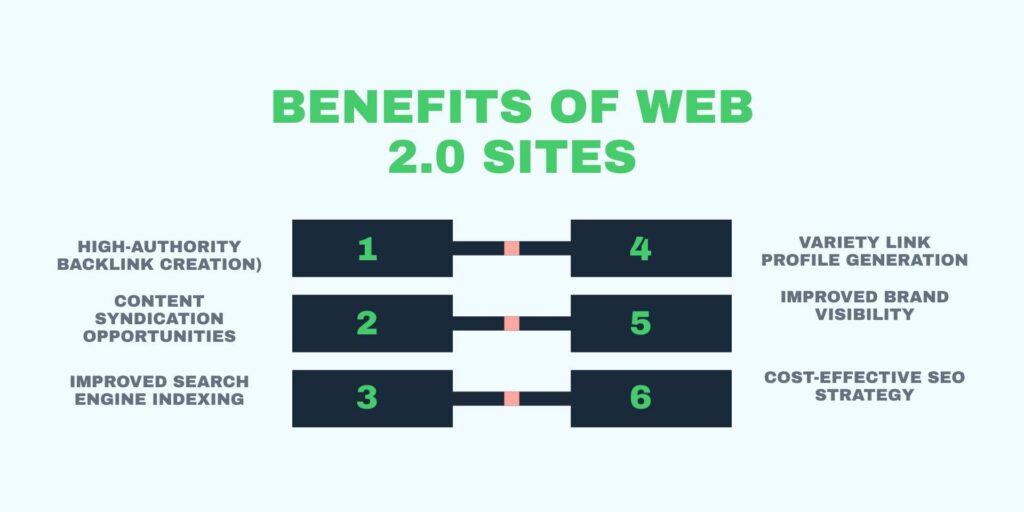
They’re best used as reinforcement, not replacement. Their value lies in:
- Helping search engines discover new pages
- Adding diversity to your link profile
- Supporting stronger backlinks
- Establishing topic authority
They fall apart when treated like shortcuts. Volume ruins them. Neglect weakens them. Automation poisons them.
Think of them as seasoning, not the meal.
Final Verdict
This method isn’t dead—it’s just misunderstood.
Handled with intention, it adds depth to your website’s reputation. Handled recklessly, it becomes a liability.
If you treat each page like a small but real publication, you stay in the algorithm’s good graces. And when you approach your links the way a librarian treats references, your site slowly transforms from unknown guest to trusted resident.
Use web 2.0 backlinks like a craftsman uses a blade: carefully, confidently, and never in a hurry.
About the Author