
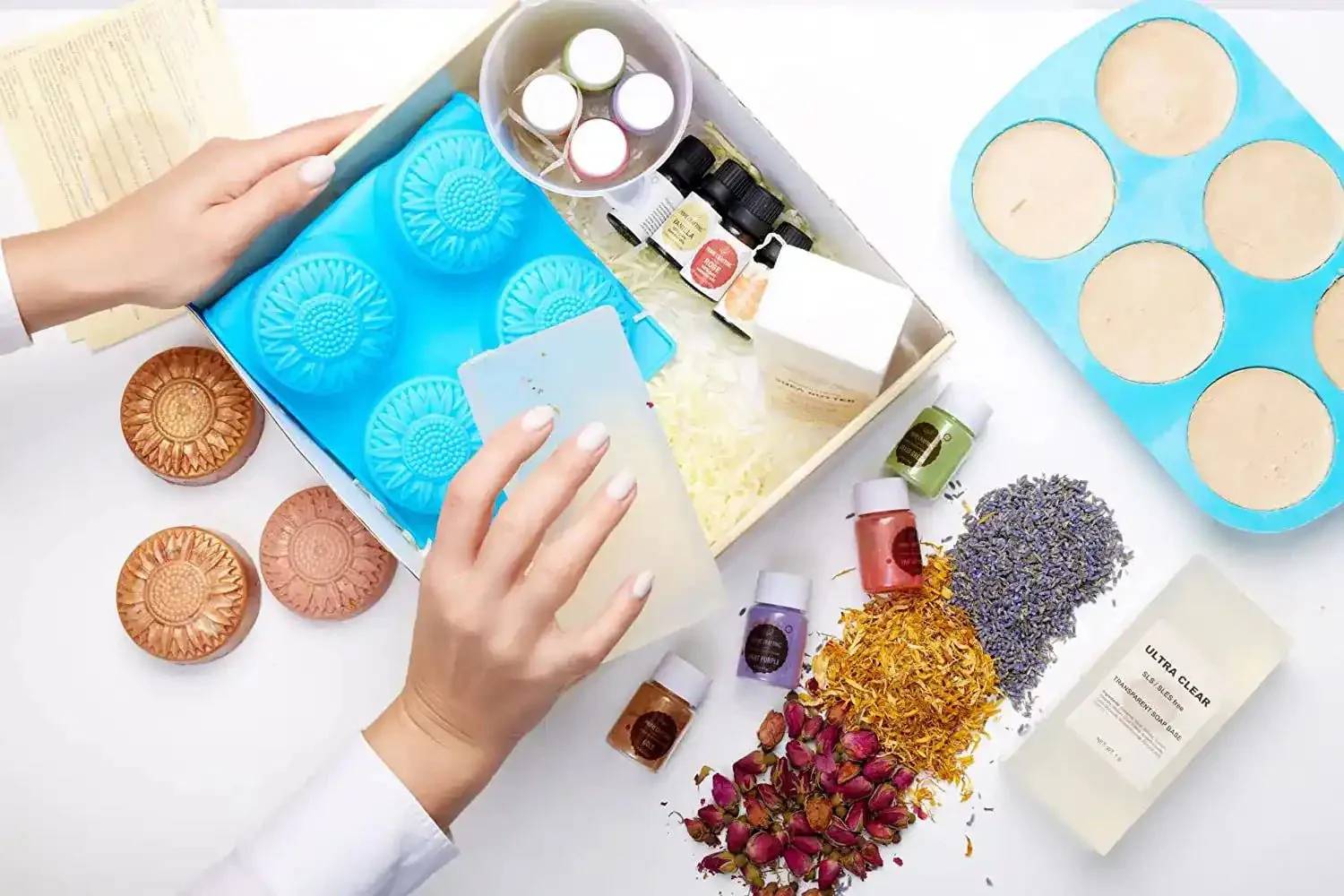
There’s a certain magic in crafting your own soap — watching oils, scents, and colors merge into something that feels both personal and indulgent. A soap making kit can transform that curiosity into a full-fledged passion project, letting you mold creativity into bars of aromatic art. Whether you’re seeking a new hobby, side hustle, or simply want to avoid synthetic store-bought soaps, understanding what to look for in a kit is where the journey begins.
What Supplies Do I Need for Soap-Making?
Before diving in, it’s crucial to know what tools and ingredients bring your ideas to life. A solid starter setup usually includes:
- Base oils such as olive, coconut, or palm — these determine how moisturizing or firm your soap becomes.
- Lye (sodium hydroxide) — the essential compound that transforms oils into soap through saponification.
- Distilled water — ensures purity and prevents unwanted reactions.
- Fragrance or essential oils — infuse your soaps with irresistible aromas.
- Colorants or mica powders — add aesthetic flair and personality.
- Protective gear — goggles, gloves, and long sleeves keep you safe from splashes.
- Soap molds — give your creations their signature shape.
These essentials often come bundled in high-quality kits, sparing you the guesswork of hunting down individual materials.
Is Making Soap Profitable?
Absolutely — if you approach it strategically. Many small artisans build thriving businesses from home-based soap crafting. By emphasizing unique scents, natural ingredients, and artful packaging, your handmade soaps can command premium prices. Start small, gauge what scents your customers love, and reinvest profits into higher-quality molds and ingredients. Social media and local craft fairs are excellent platforms to showcase your work and grow a loyal audience.
How Do I Start Making My Own Soap?
Begin by choosing your method. For beginners, melt-and-pour kits are the easiest — just melt a pre-made base, mix in colors and fragrances, then pour it into molds. For those craving authenticity and chemistry, the cold process method is ideal. It allows full control over every ingredient, but it requires patience — soaps must cure for several weeks before use.
Set up a well-ventilated workspace, line your molds, measure everything precisely, and follow safety steps meticulously. Once you grasp the basics, experimentation becomes your playground.
What Are the Best Fragrances for Soap Making?
Fragrance selection can elevate your soap from ordinary to unforgettable. Here are some timeless and crowd-pleasing choices:
- Lavender – calming and universally loved.
- Lemongrass – invigorating, perfect for morning showers.
- Vanilla – warm and comforting.
- Eucalyptus – refreshing, ideal for clearing the mind.
- Rosemary Mint – crisp and spa-like.
- Citrus Blends – zesty combinations of orange, grapefruit, or lime for an energizing kick.
Try blending complementary scents for signature aromas that stand out.
What Is Cold Process Soap Making?
The cold process is where art meets alchemy. This traditional method blends lye with oils, sparking the saponification reaction that turns liquid mixtures into firm, luxurious bars. Unlike melt-and-pour, it allows total creative control over texture, scent, and color. The soap must then cure for four to six weeks to harden and become gentler on the skin. The result? A bar that feels velvety, lasts longer, and lathers beautifully.
What Is the Best Organic Soap Making Supply Kit?
For those seeking purity and sustainability, look for kits that emphasize organic oils, eco-friendly packaging, and essential oil-based fragrances. Brands offering USDA-certified organic ingredients and biodegradable molds often lead the pack. The best kits provide everything from high-grade shea butter to natural colorants like spirulina and turmeric. They help you create soap that’s as kind to your skin as it is to the environment.
Final Thoughts
Creating soap blends craftsmanship with relaxation, allowing you to slow down while producing something tangible and beautiful. With the right tools, patience, and creativity, your first batch might just spark a lifelong passion—or even a profitable small business. Whether you aim to craft simple lavender bars or intricate marbled designs, each creation becomes a reflection of your own artistry.
About the Author